viernes, 26 de mayo de 2017

Madikeri and Kannur, Between Jungle and Beaches


The Western Ghats stretch along the Indian southwest coast and shelter the drier inland from the tropical Malabar spice coast. The Ghats are also home to elephants, coffee plantations, tigers, forest and spices, and this perspective took us to Madikeri in the middle of the mountains or rather high hills. Upon arriving in this moderately touristy (and mainly domestic tourism) place we were surprised by 24 hour tourist/travel office giving reliable, friendly and useful advice, hooking us up with a local guide for next day's hiking trip. We met our guide Chanapa, a small, smiling, soft spoken local Indian in his 40tees the next day in the same office. While Chanapa used to be a assistant in a local bank, he was drawn into the tourism sector as a local guide and the joy of this job radiated on his face and worked pleasantly on our moods. We headed off in the local bus for the trail head and started walking through forest and hills, spotting occasional elephant tracks, birds and a snake and learning about local plants and their application. Apart from being quiet, away from all the hustle and bustle and beautiful nature, the bonus of the hike were the stretches through coffee and spice plantations, carefully pointed out and explained by our guide. Traditionally being the fertile Spice Coast, providing emperors and kings alike from China to Rome with pepper and cloves, many of the land was cultivated by the local farmers and apart from the 3 coffee varieties, arabica, robusta and liberica, we walked along pepper bushes, ginger and turmeric fields, cardamom plants and cinnamon trees. 


Después de nuestro largo viaje en bus, llegamos por fin a Madikeri... Lugar al que decidimos ir por su reserva nacional donde puedes encontrar tigres, elefantes, diversidad de pájaros, serpientes, chanchos salvajes y búfalos salvajes. Como buenos exploradores y ansiosos de nuevas aventuras, apenas llegamos fuimos a la oficina de turismo para poder coordinar un tour por las montañas y parque nacional de Madikeri. En la oficina nos ofrecieron una caminata de 3 días, durmiendo dos noches entre los campos de café y pimienta acompañados por un guía experimentado. Aceptamos entusiasmados! 
A la mañana siguiente, volvimos a la oficina de turismo, donde muy puntual nos esperaba Chanapa, nuestro guía. Un hombre de estatura baja, piel tostada por el sol, ojos oscuros y una sonrisa de oreja a oreja que mostraba todos los dientes blancos cuando nos vio aparecer. Desde un inicio, me cautivo su carisma, sencillez y humildad. Durante la caminata nos iba explicando todo lo que veíamos alrededor, tipos de plantas, árboles, distintos tipos de aves, lagartijas, ardillas, gallinas silvestres, de vez en cuando él daba una señal de alerta levantando la mano y todos parábamos inmediatamente y nos poníamos atentos a escuchar a nuestro alrededor, ya que estábamos atravesando una reserva donde se protegían tigres y elefantes, había la posibilidad (baja) de poder cruzarnos con alguno de estos animales..., por lo tanto cada vez que Chanapa daba la señal de alerta yo automáticamente miraba a mi alrededor y buscaba hacia dónde debería correr y esconderme o que árbol tenía cerca para intentar treparlo cual mono. 
En una oportunidad, estábamos caminando por un sendero angosto entre arbustos con espinas y espigas que nos llegaban hasta la rodilla, Chanapa que iba un metro más adelante (yo iba segunda) agarra un palo rápidamente y dice algo en voz de alerta, a lo que yo escuche "a tiger" ... Di un salto hacia atrás, me di vuelta y corrí hacia Johan que venía muy sereno detrás mío, alertándolo con palabras que no puedo repetir #*¡!¥$$$#¡!¡! de que venía un tigre... Pero yo había escuchado mal, era una serpiente que estaba entre los arbustos y producto del escándalo y ruido que hice, la ahuyenté y nadie más pudo verla jajajaja. 


While the nature reserve we walked through was tiger habitat, the chance of spotting one was extremely rare. While 10 years ago in this area, the biggest amount of fatalities were through snake bites, nowadays, by far the biggest danger, are the wild elephants. While peaceful and intelligent, their increasing population due to conservation efforts makes human-elephant interaction much more frequent leading to occasional crop destruction and an eventual encounter with solitary elephants who in their rage can trample and kill people. Our lunch spot was in a simple but most beautiful house in one of the hill villages, where the lady of the house had a spicy curry and veggies prepared with roasted chapatis and rice. The lunch spot was surrounded with flowers and spices bringing color and aroma to this quiet spot. While our host rolled beedies, our local cigarettes, for 200 rupee (3USD) for 1000 pieces, with the skill reminding us of Cuban women rolling cigars, we chilled out and slept a refreshing siesta in the sun. Another few kilometers than took us to Chanapas house, which again was simple but welcoming and where we enjoyed apart from drinks and food provided, from the tranquility, the magnificent sunset, hornbills and other exotic birds in the surrounding groves and the night sounds in the coffee and spice plantations. Unfortunately, during the night the rain, caused by a Bay of Bengal typhoon flooding Chennai, started and lasted for the next 3 days, due to which we had to abandon our second day of hiking on the mountains, not prepared for the rare rainy weather. We took off on another odyssey on local buses, passing through more spice plantations and changing buses in a spice commerce town, where spices were weighted, sold, negotiated, prepared for wholesale and export. Few were the details in the trading scenes where one could ensure to be in the 21st and not on the 16th century, jute bags of spices, old style balances and scales, small shops in bazaars, buyers and vendors chewing betel nut and smoking beedies....if only the bloody honking motorcycles could be donkeys. Finally, in the late afternoon we made it to Kannur, a city which Marco Polo described as a great emporium of spice trade and a rickshaw dropped us of on a deserted beach, where Thomas stayed looking after the backpacks and the rest of us went in search of the famous Keralan hospitability in one of the local stylish homestays, and as such we settled in our ocean view rooms in the Blue Mermaid.


Nuestro día terminó en casa de Chanapa, una casita entre campos de café y pimienta, donde fuimos recibidos por su amable esposa quien nos esperaba con una jarra de limonada. Después de darnos un baño de agua caliente, nos pusimos ropa limpia y abrigadora , nos relajamos en su patio trasero y disfrutamos de la vista magnífica que teníamos de las montañas, las plantaciones de café y árboles frutales, vimos pasar diferentes tipos de aves, y en la noche nos dimos un festín de típica comida Hindu preparada por su mujer. La comida estaba deliciosa, una variedad de curry de vegetales, arroz, tortillas, panes... y te. A la mañana siguiente amanecimos con lluvia, nublado y el sendero que debíamos seguir era más lodo y barro que camino, por lo que tuvimos que dar por finalizada nuestra excursión y volver a la ciudad en busca de un bus que nos lleve a Kanur, un pueblo balneario donde habíamos decidido pasar unos días. Nuestra caminata por las montañas de Madikeri me gusto mucho, especialmente la adrenalina de saber que podíamos ver algún animal salvaje, aunque solo vimos huellas de elefantes en el camino, el solo hecho de estar caminando en un ambiente de naturaleza, cruzando senderos marcados por huellas de elefante, rastro de la presencia de chanchos salvajes y búfalos salvajes que iban abriendo distintos caminos y podías identificar que un animal de gran tamaño y peso había pasado por ahí aplastando plantas y rompiendo ramas. Ese tipo de caminatas me encantan, donde no sólo disfrutas del sentido de la vista, sino que agudizas el oído para estar alerta de tu entorno, y también cuando haces uso del sentido del olfato para oler presencia de animales cerca. Quizá en mi otra vida (como dirían los Hindu) fui una aventurera o cazadora, y es por eso que ahora se me hace tan fácil agudizar mis sentidos cada vez que salimos de caminata y nos internamos en la naturaleza. 
Al inicio, cuando recién empezamos con las caminatas y yo no las disfrutaba tanto porque no estaba acostumbrada y me cansaba rápido, era Johan el que iba delante y hacia de guía; con el tiempo fui agudizando mis sentidos y era yo la que detectaba y veía animales camuflados entre árboles, ramas, arbustos, o escuchaba pasos de los animales cuando hacían ruido al pisar hojas secas, o los olía (murciélagos, chivos...) desde entonces, cuando salimos de caminata soy yo la que va al frente como perro sabueso para detectar animales y avisar a Johan que viene detrás para que pare y pueda observar lo que vi. 


We had previously stayed in homestays, which are usually nice, little, relatively simple and sometimes humble places, but this one was definitely a top end homestay. Nicely decorated rooms with huge balconies looking out over the ocean, surrounded by an immense and beautiful garden bordering the beach, thatched roof pavilions in the garden to relax or have dinner and superb Keralan dinners included in our stay. We played scrabble, walked on long stretches of beach, set off running in the early morning, swam in the exquisite water and relaxed. The lifestyle in this southern part of India, including Goa and Kerala, and keeping just slightly away from the main tourist hotspots can be incredible, considering the kilometers and kilometers of coast and beaches, exquisite climate, Indian life but way more relaxed than the north and with a bit of Mediterranean flair, much lower population density, marvelous architecture of the coast side residences and incredible food. If one day I need a peaceful environment to finish writing a book or to reflect on my autobiography, this part of India is definitely high on the list. But all good things come to an end and we found ourselves again residing in a cheap guesthouse in the transport, commerce and domestic tourist hub of Kannur for an early train the next morning to Kochi. Having the choice for late night entertainment between the "beer and wine parlour" or the local movie theater with Hindi and Malabalay spoken movies on the menu we went for the latter, and though slightly distracted by the expiry date of our popcorn bag and the AC on 12C, we could easily follow the Hindi Bollywood movie about the usual complex relationships and choices of a twenty something year old well off Mumbai girl. For the local public the highlight of the 2 hours, judging by the sudden cheers and screams, was the run one of the male characters made from shower to his room with a 3 second one-and-a-half buttock glimpse. After a delicious dinner in a simple restaurant full of locals puzzled about what the hell we were doing there and a short sleep we boarded the train to Kochi, a hotspot of European colonialism and the spice trade. 


Llegamos a Kanur cansados después del viaje en bus, recuerdo que estaba lloviendo cuando descendimos de ese tuk tuk, nos dividimos en grupos para conseguir un hospedaje, Chloe fue por un lado y Johan y yo por otro, mientras Thomas esperaba en medio de la playa cuidando todas las mochilas y mojándose. Al final después de un consenso decidimos por un Guesthouse que consistía en una casa grande con habitaciones con balcones frente al mar. Teníamos un jardín enorme lleno de flores de colores, palmeras y hamacas donde poder relajarnos. La dueña nos deleitó con los desayunos y la cena especialmente era deliciosa... siempre cosas distintas, ingredientes aromáticos y muy sabrosos. Disfrutamos de nuestra estadía, jugando scrable cuando afuera estaba lloviendo, leyendo en el balcón bajo techo pero con vista al jardín y mar, y cuando al día siguiente el sol decidió salir y la tormenta paso, salimos a dar una caminata por la playa y aprovechar los rayos de sol. El último día en Kanur, decidimos alojar en un hospedaje cerca de la estación de trenes dado que nuestro tren salía temprano, nos convenía dormir cerca de la estación para evitar contratiempos. Por la noche decidimos ir a ver una película de Bollywood, Johan y yo ya habíamos ido al cine antes, y como en la mayoría de las películas Bollywood, hay momentos de baile y canto, nos gustó... Pero habíamos leído en blog de otros viajeros que a veces en los cine cuando el musical es famoso, todos los asistentes se paran de sus asientos y se ponen a bailar, lo cual encontrábamos espectacular y queríamos experimentarlo, por lo que sugerimos a Thomas y Chloe de ir a ver una película... Para nuestra mala suerte éramos muy pocos los del público, nosotros 4 y 3 chicos Hindu un poco más allá, no suficiente para armar la fiesta, pero aun así disfrutamos de la noche de película, pop Corn pasado y aire acondicionado exageradamente frío. 


martes, 7 de marzo de 2017

Mysore, the City of the Palaces


We arrived in Mysore early morning and after a shower and a proper breakfast in one of the local South Indian cafees, we headed for the Mysore palace. A fabulous building where yet another dynasty of Rajes lived in mind boggling luxury. The architecture of the palace, built in the 19th century, joined the best Indian, Islamic and European styles and materials, including glass work, chandeliers, ceramic tiles, rosewood, teak and magnificent ivory carved doors. We made a tour through the palace and again this time the audio guide provided didn't let us down.  Most of these dynasties were tolerated by the British as local leaders as long as there was no major disturbance or interference with economic policies and these dynasties continued to rule mostly till 1971 when Indira Gandhi abolished the Rajes. Pictures of the most modern Raj showed a hybrid between ancient elegant Indian style clothing and modern additions such as Rayban sunglasses and a short ringbeard. We had lunch in the same café, where delicious south Indian dishes were served as well as proper coffee. While both North and South Indian food are known all over the world and while I consider both delicious, I found South Indian food to be much more accessible with small decent restaurants, so called hotels, full of locals and with hygienic conditions at first sight everywhere, in stations, in city centers, on small back roads etc while simple but good restaurants seemed harder to find in the North. 


Llegamos temprano a la ciudad de Mysore, conocida por la cantidad de Palacios que hay en ella. Motivo por el cual, después de desayunar nos fuimos a visitar el Palacio Real de Mysore, donde vivieron distintas dinastías. El Palacio, con pasillos de techos altos, puertas de metal y madera, con figuras de elefantes talladas en ellas, un par de cabezas de elefante colgadas en los muros de las entradas, cuál trofeo... producto de caza de elefantes. En el interior del Palacio, ibas pasando por pasillos decorados en cerámicas coloridas, con lámparas colgantes de cristal, ventanitas desde donde podías observar patios interiores. Los salones donde el Rey llevaba a cabo sus reuniones, eran amplios espacios con columnas en dorado y turquesa, los techos en forma de cúpula en tonos dorados también, espejos en todo el entorno hacían dar la sensación de que el espacio era mucho más grande de lo que se apreciaba. Eran salones lujosisímos, todas esas lámparas colgantes de cristal, que con el juego de luces parecían cambiar de color conforme ibas avanzando. En las afueras del palacio, habían grandes jardines con flores de todos los colores, rosas, y gente regándolas y trabajando en la mantencion de las mismas. Pasando los jardines, había un sendero que terminaba en unos establos a lo lejos, empezamos a caminar por el sendero cuando de pronto nos percatamos que en el establo no eran caballos lo que tenían, sino elefantes... Para mí fue una pena, ya que los elefantes estaban atados de una pata con gruesas cadenas que no les permitían moverse ni un paso, la cadena no tenía más de 50 cm de largo... A penas el guardia nos vio llegar, se nos acercó y pensé que nos pediría que nos retiremos pues no era una zona permitida para visitantes, y en lugar de eso nos preguntó si queríamos una foto con los elefantes, los animales no lucían felices y me percaté que empezaron a ponerse incómodos e inquietos al ver al guardia acercarse (quien sostenía un bastón de madera en la mano con lo que seguramente los adiestran) por lo que dijimos no gracias y nos retiramos del Palacio. 


After a stroll over the local market in the early morning we headed to the local sandalwood factory. Sandalwood, again one of these oriental commodities traded between east and west and that fascinates me, is used for carving but mostly known for its oil and aromatic properties being worked in incense, soaps and perfumes with a very characteristic smell. While a traditional Indian craft, nowadays all sandalwood trade in India is regulated through the government and the cultivation, processing and production of oil is a state monopoly, in order to protect the sandalwood tree from extinction. While first diverted to a local silk and sandal souvenir shop and an another fight with the tuktuk driver, we were then driven to the Karnatakan government owned sandalwood oil factory just out of town, where upon approaching the exquisite aroma welcomed us from afar. Before entering the factory but after a necessary series of Indian bureaucratic steps, Thomas bumped into the low hanging door leaving an ugly hash in his forehead bleeding heavily. He first was attended by the gardeners, washing his head with a garden hose, than by the employees of the factory who came running out treating him with cottons and finally, with a still bigger crowd around was put a bandage on his head by, who appeared from the whispers in the crowd to be the general director of the department of the sandalwood oil factory from the Karnatakan government. After this helpful and well intended but hallucinating bureaucracy and demonstration of hierarchy, we had a short but interesting tour ending in the purchase of a few bars of soap which made our backpacks smell for the following weeks.


Una de las características de India son los aromas que puedes experimentar, para mí los que siempre traerán a mi recuerdo India son: olor del masala que es la mezcla de varias hierbas, pero en aromas predominan: ajo, jengibre y muuucho comino; el olor del incienso, era algo típico al entrar a cada templo o en las calles también; el olor de orina... yo sé que no es muy agradable que digamos, pero era típico que mucha gente tome como baño publico algunas paredes en la calle, o esquinas... Y bueno al que le tocaba pasar por ahí se ganaba con el aroma..., el olor del aceite de coco que usan mujeres y hombres para mantener el brillo en el cabello, y finalmente el aroma de Sándalo, esto podías sentirlo en el bus cuando de pronto se te sentaba al lado alguien que parecía recién bañado y andaba oloroso a sándalo. En Mysore, había una fábrica de jabones de aceite de Sándalo, la cual decidimos visitar para enterarnos del proceso de la extracción del aceite de la madera, luego utilizado en la producción de jabones de distintas calidades, las cuales varían según el porcentaje de aceite utilizado en el jabón. 
La visita fue interesante, y aprovechamos en comprar una muestra del jabón para andar igual de aromáticos que los locales... Pero la atención se vio centrada en Thomas, cuando al volver del baño, veo que se frotaba la frente y de pronto una línea de sangre corría por su cara. El pobre se había dado tremendo golpe con la esquina de la puerta al salir (las puertas no están hechas para personas altas) y ahora tenía una abertura en la cabeza que sangraba como manguera de bombero. Todos nos preocupamos, pero más aún el personal de la fábrica de jabones, de pronto nos vimos rodeados de gente todos queriendo ver la herida, otros aplicándole agua, limpiándole con algodón, otros traían polvos curativos, hasta que apareció el manager del establecimiento y fue quien aplicó un polvo mágico curativo y puso una gasa a nuestro amigo. 


Mysore is full of palaces of all the dynasties and kings that residid there and governed this part of the country. Some of the palaces are main tourist attractions, others are museum, some are in a deplorable state and yet others are privately owned, restored and converted in restaurants and hotels. As per Thomas suggestions and happily coinciding with our 5th anniversary, we indulged in a bit of oriental luxury, in a 4 star hotel, built by one of the Rajes for his British guests. In a beautiful mix of Indian architecture with European influences and materials we enjoyed pool side reading and gin tonic, stylish courtyard dining and a hot bath soaking off 5 months of Asian dust. Leaving all ethical considerations on colonialism and politic correctness aside, being a British officer in the great days of the empire must have been adventurous and beautiful and we gladly absorbed this feeling in our Mysore palace stay. The soft mattress took us to the deepest of sleeps but after breakfast and a very stylish checkout, we stood back on the street, backpack strapped, haggling for a tuktuk to the bus station destination Madikeri.


Y bueno, ya que estábamos en la ciudad famosa por sus palacios... A Thomas se le ocurrió la brillante idea de alojar una noche en alguno de los antiguos Palacios que hoy funcionan como hoteles (extraño tu compañía Thomas, vuelve para poder alojarme otra vez en Palacios). La fecha que decidimos alojar en el Palacio, justo coincidía con nuestra celebración de 5 años juntos, así que fue como nuestro regalo de aniversario poder disfrutar de las instalaciones de un hospedaje de alta calidad y servicio. Recuerdo que llegamos por la tarde, nos dedicamos a disfrutar del ambiente del palacio, nos dimos un baño de tina usando todos los frasquitos que nos habían puesto en la bandeja del baño, geles de baño con olor a sándalo, shampoo y crema de pelo con olor a manzana, crema de cuerpo olor a pera... (se preguntarán por qué me entusiasma tanto el darme un baño con geles aromáticos y jabones líquidos, si es algo tan "normal" jaja ... Y sí, era normal para mí cuando vivía en Chile, tenia un hogar y recibía un sueldo con el que me daba mis gustos de comprarme ese tipo de cosas, pero ahora que andamos en modo "viajero" las prioridades han cambiado, y lo único que se compra con aroma es desodorante y shampoo) Por lo que después de la sesión de baño de espuma, salimos de la habitación bien aromáticos y listos para disfrutar de una y cena a la luz de las velas en la terraza del palacio. A la mañana siguiente, después de disfrutar de un desayuno bufete, disfrutamos un rato de las instalaciones del jardín y piscina, antes de tener que hacer el check out, ponernos nuevamente las mochilas polvorientas en las espaldas... Y los lujos del Palacio para estar parados en la esquina de la calle esperando subir a un tuk tuk en el que estaríamos bien apretados con mochilas encima, con destino a la estación de buses para tomar un bus que nos llevaría a Madikeri. 


viernes, 3 de marzo de 2017

Goa Beach and Hampi Ruins


I knew, or thought I knew, Goa as a beach full of hardcore party and I wasn't sure if I wanted to go there, so when Thomas suggested to spend a few days in Goa, I wasn't fully convinced. But a few beach bungalows, deserted and clean beaches, Portuguese and Dutch trading history, beautiful inland reserves and most of all Goan sausages later, I had completely changed my mind and thought it as one of the places to come back further in life. We arrived at a small train station in the middle of the night with no rickshaws but at least a hotel reservation, so we started walking and soaking up the clean cool air and the exquisite night temperature. We even found an open bar on the beach and had a few drinks till about 3 AM in the morning, a novelty for us in Indian terms.


Llegamos a Goa, bastante cansados (al menos yo) después de haber estado viajando en el tren alrededor de 10 horas. Al llegar a nuestra estación ya era de noche y la escena era todo lo contrario a lo que habíamos esperado. Esperábamos un montón de gente en la estación, muchos taxi y tuk tuk peleándose por querer llevarnos a la zona de hospedajes en la playa, pero no, solo nos acompañaba el canto de unos grillos, la luz de la luna y un par de vacas en el camino. Decidimos caminar (3km aprox) hacia la zona de la playa donde habían todos los hostales y bungalós (no nos quedaba de otra en realidad). 
Una vez ya instalados en el hospedaje decidimos ir por unos tragos al único bar que aún estaba abierto frente al mar, nos sacamos las zapatillas, caminamos descalzos por la orilla del mar, pedimos unas cervezas y nos sentamos en la arena a escuchar las olas, iluminados por la luna, celebramos el inicio de nuestros días de relajo y descanso en la tan famosa playa Goa. 


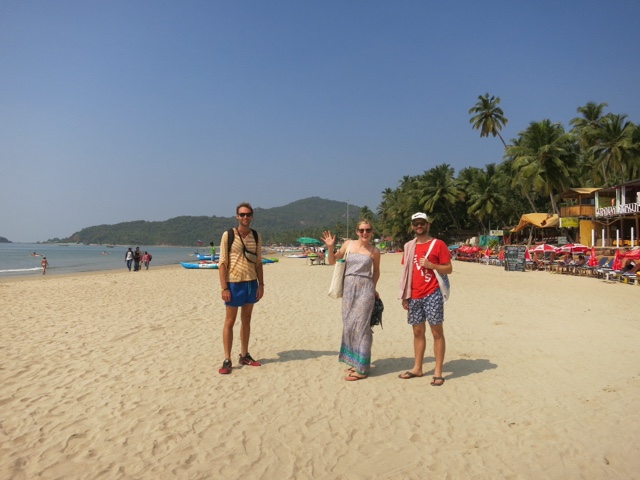
The next day was just about reading, chilling, soaking up the sun, swimming in the exquisite water and having some food and drinks on the beach. Off all the towns and beaches (I just learned that Goa was a region with tens of different beaches) we had chosen Palolem beach which was populated without being overcrowded, was clean (an indispensable requirement after the state of the water bodies we had seen in India) and had a nice and easy going atmosphere. We watched the sunset from a kayak on the water although we couldn't find the dolphins that were supposed to be there. 


Al día siguiente, partimos temprano en busca de un bungaló frente al mar... Encontramos unas cabañas muy cómodas un poco alejadas de toda la movida turística pero aun así a 10 metros de la playa. El primer día nos dedicamos a disfrutar de la playa, tal cual panza arriba recibiendo baños de sol, disfrutando de un par de bebestibles en la reposadera, leyendo bajo la sombrilla, dándonos de vez en cuando un chapuzón en las cálidas aguas de la playa de Goa. Para mi grata sorpresa la playa era bastante limpia, la verdad es que tenía un poco de temor de cómo podría ser una playa en India y más aún si era destino turístico tanto de locales como extranjeros... Pero fue bastante más limpio y organizado de lo que imagine. El agua limpia, sin bolsas plásticas ni comida flotando que era lo que más o menos esperaba.


The next day, after a relaxed and continental influenced breakfast we hired scooters, with the necessary fights and arguments about why all 4 of us needed a helmet and set off for the nearby nature reserve. After paying our ticket at the entrance, we were warned by several signs and the reception lady about what to do in case of encounters with leopards, bizons, tigers, wild dogs and snakes. Only few minutes in the reserves, we already encountered groups of monkeys in the trees. This time, in their natural environment, they seemed wonderful creatures jumping from tree to tree often covering distances of more than 5 meters flying through the air. But apart from a few cows and birds, this would be the only wild life we saw. Nevertheless, we enjoyed the walks through this jungle like environment and being in nature after 2 weeks of Indian cities. On the way back to Palolem, we suddenly lost Thomas after passing a police control and upon returning figured out that he had not only been stopped but also had his motorcycle confiscated for using a white number plate (not allowed for rental). Obviously unaware of this rule, we waited for the owner to solve this, or better his, problem the Indian and Thomas was not in custody but back with us.


A unos cuantos kilómetros de la playa de Goa, había una reserva nacional donde podíamos ir a hacer una pequeña caminata y con suerte poder ver algunos animales silvestres como por ejemplo leopardos, culebras, perros salvajes, osos  y más. Nosotros arrendamos un par de motocicletas y nos dirigimos a la reserva nacional. Caminamos por un sendero, donde los monos iban saltando de rama en rama, más de una vez nos asustamos con el ruido que hacían los monos y pensamos que se trataba de otro animal más grande, pero no... Lo único que vimos fueron monos juguetones y algunas vacas. Vimos algunas huellas de algún tipo de felino, cerca de unos pozos naturales de agua, pero solo eso huellas. Quizá fue mejor, no sé qué hubiese hecho si veía aparecer un leopardo, aún no desarrollo la destreza de trepar árboles.  


Led by Thomas, we followed the footsteps of the Portuguese in Goa, which remained Portuguese till 1961, when the treat of sending the Indian army was enough to send the Portuguese home without further resistance. Nevertheless, the Portuguese influence is not just visible in the many churches and architectural relics but also in the food, in some of the faces, in the street and family names. Our first stop was old Goa, the first Portuguese capital, abandoned due to malaria and cholera epidemics but today full of churches, basilicas and convents. Under a blazing sun, we visited the several highlights fully illuminated by background information provided by Thomas' profound knowledge on the local history and how the Portuguese battled, suffered, lost and won, despite being largely outnumbered and in the name of the catholic faith as a disguise for enormous greed, against the local Muslim rulers.


Además del atractivo de las playas de Goa, está la ciudad antigua donde se establecieron los portugueses por muchos años. La ciudad está repleta de casas estilo portugués, iglesias y conventos. Callecitas estrechas en piedra, casas pintadas de colores, los techos con tejas y palmeras por todos lados. Muchos cafés y restaurantes al estilo portugués. Todo el recorrido turístico fue guiado por Thomas quien cada noche estudiaba el discurso y preparaba la ruta turística para el grupo. (Gracias Thomas por haber sido de guía) 


We then headed to Panjim, the second Portuguese capital where we walked the cobblestone backlanes with beautiful Mediterranean mansions and painted houses. If it were not for the motorbikes and the honking of horns, one could be strolling through any small town on he Portuguese Atlantic coast in search of a glass of crispy white wine and some grilled sardines. This brings me on the food track and obliges me to bring homage to the fabulous Goan sausage. A dryish sausage used in stews or other warm preparations, of smoked pork meat with local Indian spices. After abstention from such delicate cured meat preparations these few mouthfuls of shared starters were mouthwatering and brings this dish in the hit list of the food eaten on this trip.


Nuestro último día en Goa, decidimos arrendar las motos nuevamente e irnos a recorrer un poco por la Costa, pasando por distintas playas y pueblitos. Paramos en una playa llamada "Turttle Beach", donde entre los meses de diciembre a febrero las tortugas vienen a poner sus huevos en la arena y en marzo puedes tener la suerte de ver a las tortugas bebe correr hacia el mar. No estábamos en esa temporada, pero aun así disfrutamos de un día relajado, recostados en la arena, leyendo, bañándonos en el mar... Aprovechando que éramos los únicos en la playa. 
A la hora de almuerzo, fuimos a un restaurante chico ahí mismo en la playa, cada quien pidió comida "sea food" pero el que no deja de sorprender es Johan, que se pidió un Cangrejo ENORME a la BBQ, era muchísima comida la que sacaba de ese cangrejo... Y la disfrutaba como si fuese lo último que iba a comer por el resto de la semana. Yo creí que no iba ser capaz de terminarse ese cerro de comida, pero me equivoque... Dejó el plato limpio. 


A last day on the Goan coast, took us on the back of a motorbike through beautiful inland roads bordering bird rich estuaries and flanked by beautiful Portuguese villas, to the remote turtle beach with only a few people, crashing waves and a few strips of shadow cast by a few pine trees. We treated ourselves to a seafood lunch with local oysters, clams and a crab in a delicious curry, though getting the meat out of the crab shell consumed probably more calories than the intake. Happy and with a full stomach we cruised back to our huts for a shower and got going for a nightly bus ride to yet another UNESCO world heritage site, Hampi.


De Goa partimos en un bus nocturno hacia Hampi. Debo decir que el bus nocturno es una de las peores alternativas que podemos elegir, al menos en Vietnam, Laos, y ahora India pasa siempre lo mismo. Los choferes van a tal velocidad que cuando agarran las curvas les es imposible reducir la velocidad y por lo tanto el bus se inclina de un lado a otro, haciendo que todos los pasajeros en el interior rodemos de izquierda a derecha en las camas. En conclusión no duermes nada porque te despiertas cada vez que te encuentras con una curva en el camino. Llegamos a Hampi, un sitio reconocido por la UNESCO como patrimonio del mundo. Al llegar al paradero, vi que en la puerta del bus nos esperaban alrededor de 30 personas (hombres) y todos se te abalanzaban encima tratando de agarrarte del brazo llevarte a un lado y ofrecerte hospedaje, tours, etc. Yo con sueño y cansada, baje las escaleras del bus agarrándome de la mochila de Johan para no quedar atrapada entre la multitud, aun así se me tiraron encima intentando agarrarme del brazo, yo empecé a gritar: Dont touch me!, Dont touch me! I Dont Want anything! (todos me dejaron en paz, y pude continuar y unirme al grupo). 


The nightly bus ride was another experiment on the effect of excessive three dimensional accelerations on the human body. Although we were lying completely flat, in a curtain covered cubicle, there was not much chance to sleep but after a breakfast and a refreshing shower in the morning we felt ready to visit the ruins of the old Indian kingdom of Hampi. We rented four bicycles and as 3 good lowland Europeans and an obliging Peruvian we set off in direction of the ruins, with a few steep climbs for a start and a strong sun watching over us. The ruins of Hampi are a collection of mainly temples but also palaces and supporting infrastructure such as water reservoirs, elephant stables, baths, gathering rooms, bazaars and aqueducts. Apart from being yet another mighty Indian civilization, the main characteristic is the endless number of beautiful carvings in the red sand stone on all the buildings, surrounded by scenic rock formations, the desert landscape and the green vein of a river flowing through. Again, I had the impression that not too much about the history of the sites was known but that couldn't hold us back from speculating and absorbing the scenery from our bicycles. After a thali lunch, a set meal consisting of rice, some vegetable curries, Indian breads, curd and lentils, and a cup of tea we were ready for the afternoon round and cycling through one of he old gates, watched over by temples on the high ridges and peddling over what at some stage must have been the Champs Elysees of Hampi, we got to the temple complex with the famous stone chariot. We finished our tour cycling and walking our bikes over the rocks and along the river while the setting sun colored the red stones even redder. After a healthy dose of naan bread and curries, we got on yet another night train taking us to the palace city of Mysore.


En Hampi, los Belgas decidieron hacer la visita por el complejo de templos en bicicleta y como eran mayoría no me quedo otra que acompañarlos. Y no es que no me guste andar en bicicleta, pero como venía saliendo de la contracción muscular del abdomen, y ya había visto que los caminos eran subidas y bajadas, no me animaba mucho la cosa... Pero aún así los acompañe. Visitamos muchos templos, ruinas, Palacios... Todo en su mayoría hecho en piedra tallada. Los detalles de cada muro eran realmente impresionantes. Me gusto muchísimo el paseo por Hampi, a pesar de que sufrí varias colinas (en la subida) pero con la ayuda de Johan que venía por detrás y me empujaba por la espalda para darme más velocidad, iba bien. 
En los templos, habían monos jugando por todos lados, algunos peleándose, otros abrazándose, algunas ardillas trepando los muros en los palacios y algunas vacas flacas que parecían pérdidas caminando entre los muros de los templos. Después de nuestro recorrido por Hampi, por la noche estábamos tomando un tren con destino a la ciudad de Mysore.